
Balayage vs Highlights: What’s the Difference?
When it comes to modern hair coloring techniques, balayage and traditional highlights are two of the most popular options. Both techniques can add brightness, dimension, and movement to your hair, but they create very different looks and require different levels of maintenance.
If you’re thinking about lightening your hair or adding dimension, understanding the difference between balayage and highlights can help you choose the best option for your hair type, lifestyle, and style preferences.
What Is Balayage?
Balayage is a hair coloring technique that originated in France. The word “balayage” means “to sweep” in French, which perfectly describes the method used by stylists.
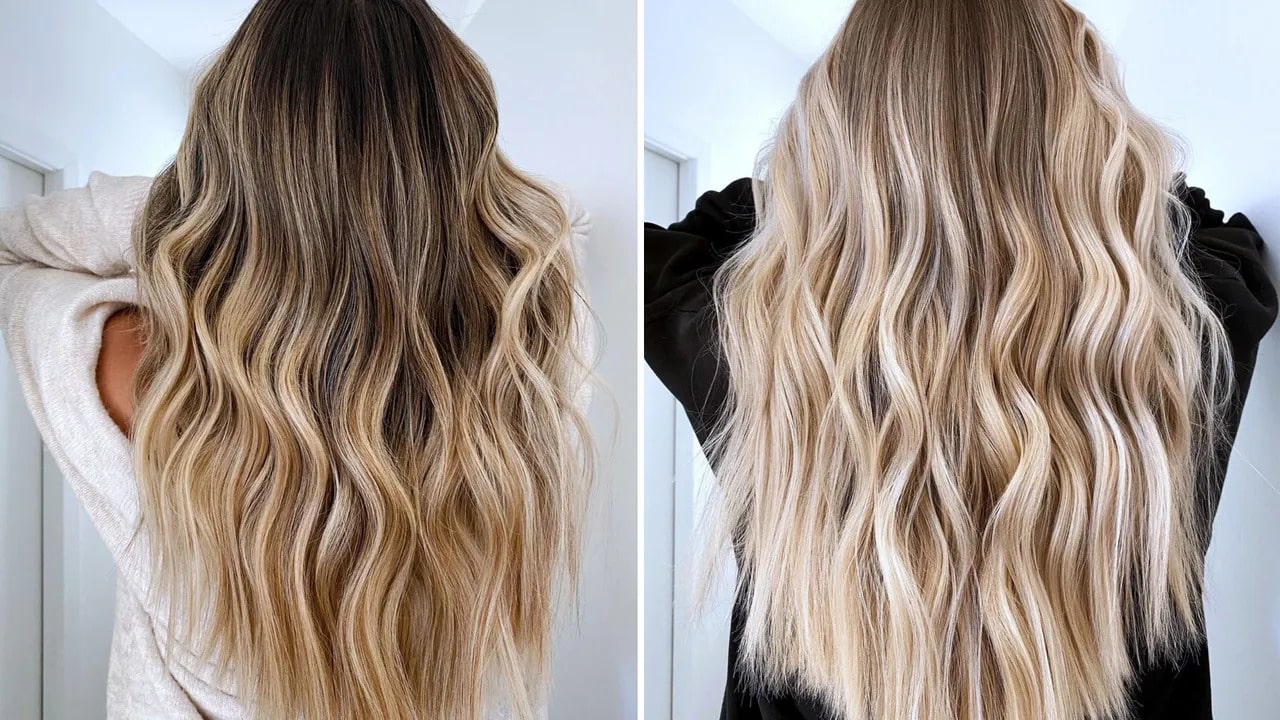
Instead of using foils, the stylist hand-paints color onto the surface of the hair. This creates a soft, blended transition between darker roots and lighter ends.
The result is a natural, sun-kissed look that mimics how hair lightens naturally in the sun.
Benefits of Balayage
Balayage has become extremely popular because of its natural appearance and low maintenance.
Some of the key advantages include:
Soft, natural-looking color
No harsh lines or obvious regrowth
Lower maintenance compared to traditional highlights
Customizable placement for each client
Works beautifully on long or medium-length hair
Because the color is blended gradually, balayage grows out very naturally and often does not require frequent touch-ups.
What Are Highlights?
Traditional highlights are a more structured hair coloring technique that typically uses foils.
In this process, the stylist separates small sections of hair and wraps them in foil with a lightening product. This allows the color to process more intensely and creates brighter strands.
Highlights usually start closer to the roots and continue throughout the hair, creating more visible contrast.
Benefits of Highlights
Highlights are ideal for clients who want a brighter and more noticeable color transformation.
Some advantages include:
Brighter and more dramatic color
More uniform lightness throughout the hair
Strong contrast and dimension
Ideal for significant color changes
Highlights can create a classic blonde look or a bold dimensional color depending on the technique used.
Balayage vs Highlights: Key Differences
Although both techniques lighten the hair, the final results look quite different.
Application Technique
Balayage is painted freehand on the hair surface, while highlights usually involve foils to isolate sections of hair.
Color Placement
Balayage focuses more on the mid-lengths and ends, creating a gradient effect. Highlights often begin closer to the roots and are distributed evenly throughout the hair.
Maintenance
Balayage typically requires fewer salon visits because the grow-out looks more natural. Highlights often require root touch-ups every six to eight weeks.
Overall Look
Balayage creates a soft, natural, sun-kissed appearance. Highlights produce a brighter, more structured look with noticeable contrast.
Which Hair Coloring Technique Is Better?
There is no single technique that is “better” for everyone. The right choice depends on several factors, including your hair goals and maintenance preferences.
Balayage is usually best for people who want:
A natural, effortless look
Low maintenance color
Soft blended tones
Highlights are often better for people who want:
A brighter blonde result
More dramatic color contrast
Full lightness throughout the hair
A professional stylist can evaluate your hair type, current color, and desired result to recommend the best technique.
Can You Combine Balayage and Highlights?
Yes, many modern hair color services combine both techniques.
For example, a stylist might add foiled highlights for brightness near the roots and balayage through the lengths for a soft blend.
This combination technique creates maximum dimension and can produce a very natural yet bright result.
Final Thoughts
Both balayage and highlights are beautiful hair coloring techniques that can enhance your natural hair color and add dimension.
Balayage is perfect for a soft, natural look with minimal maintenance, while highlights are ideal for achieving brighter and more dramatic color.
Consulting with an experienced stylist can help you decide which technique will give you the best results for your hair type and lifestyle.